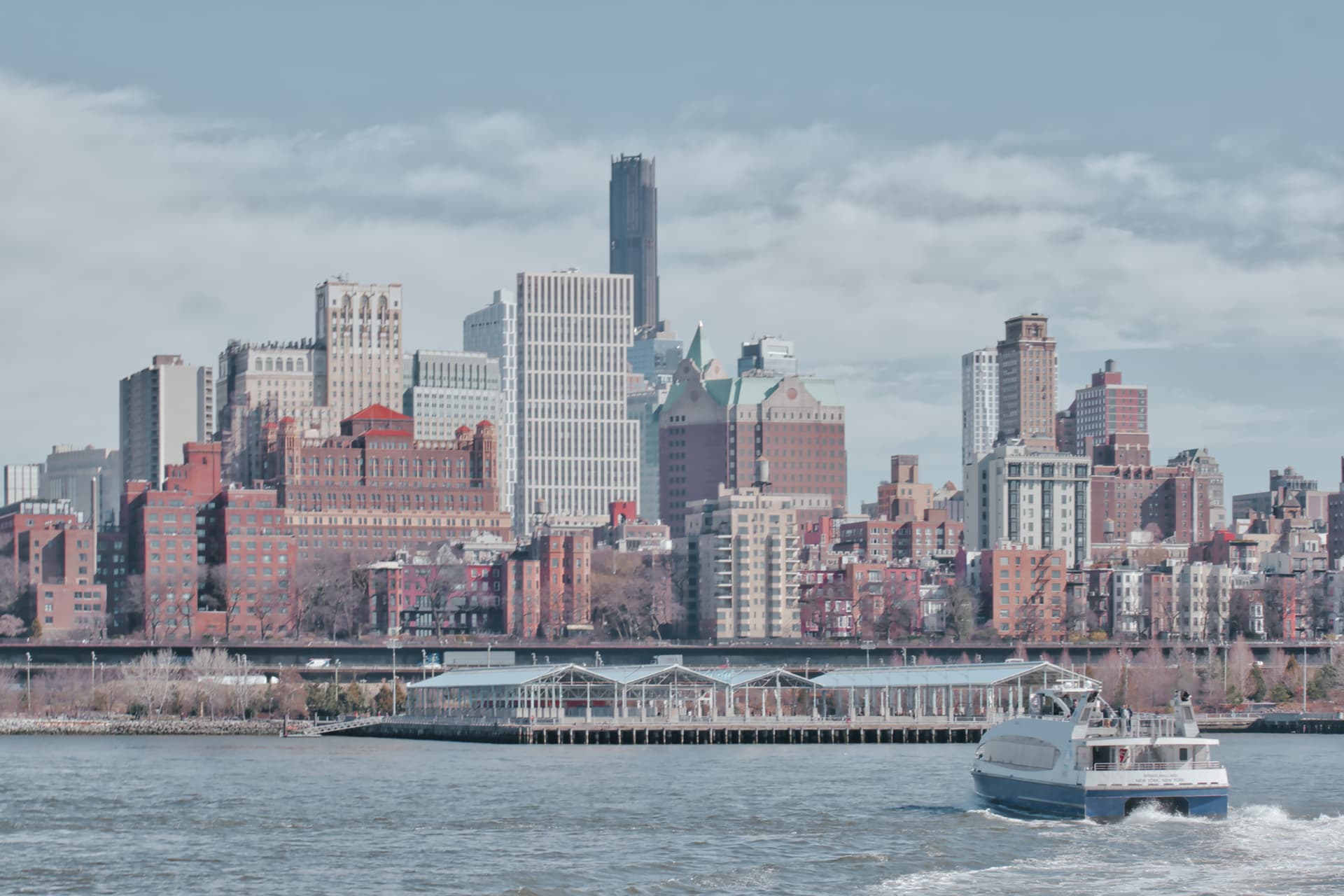
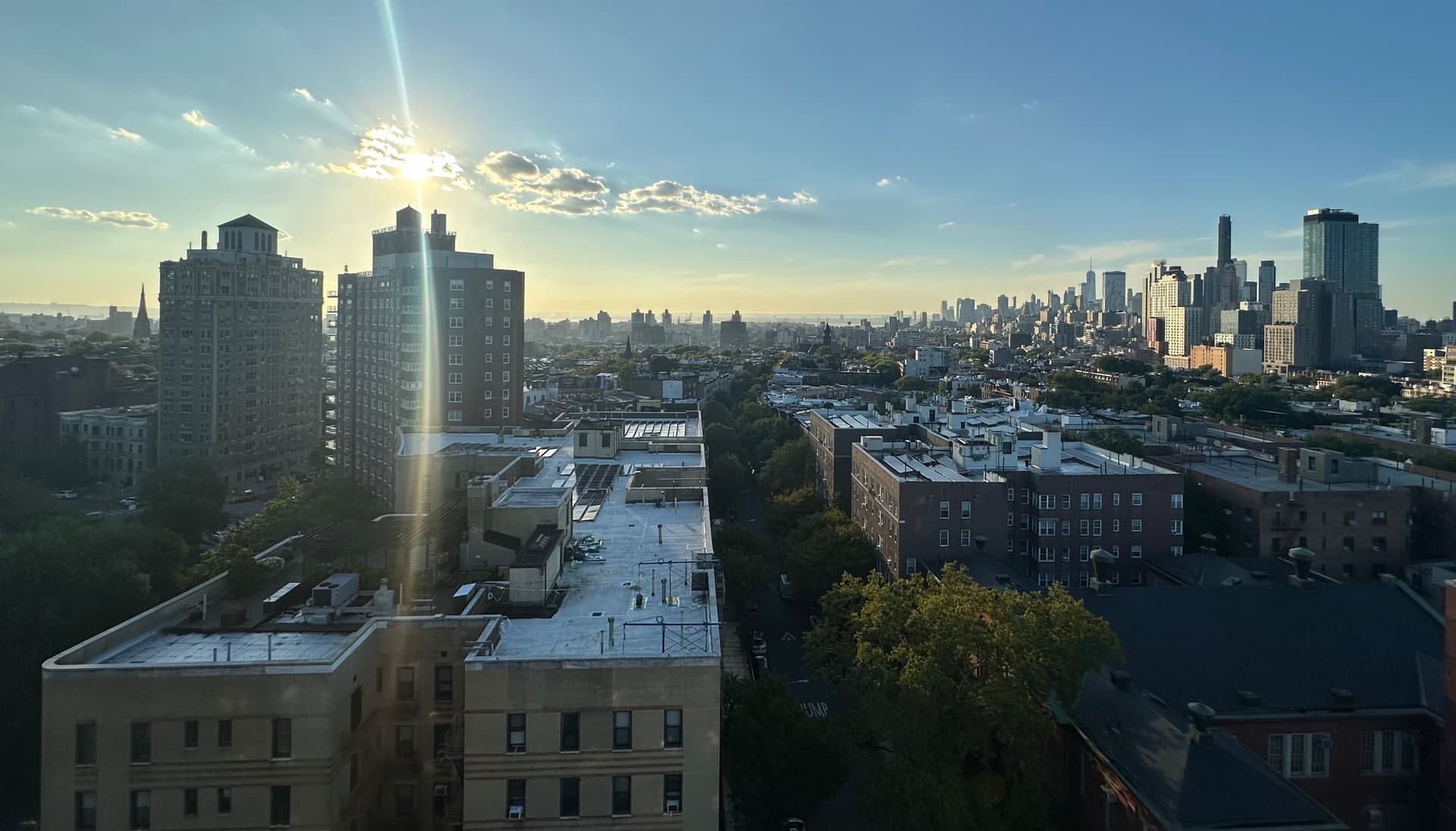
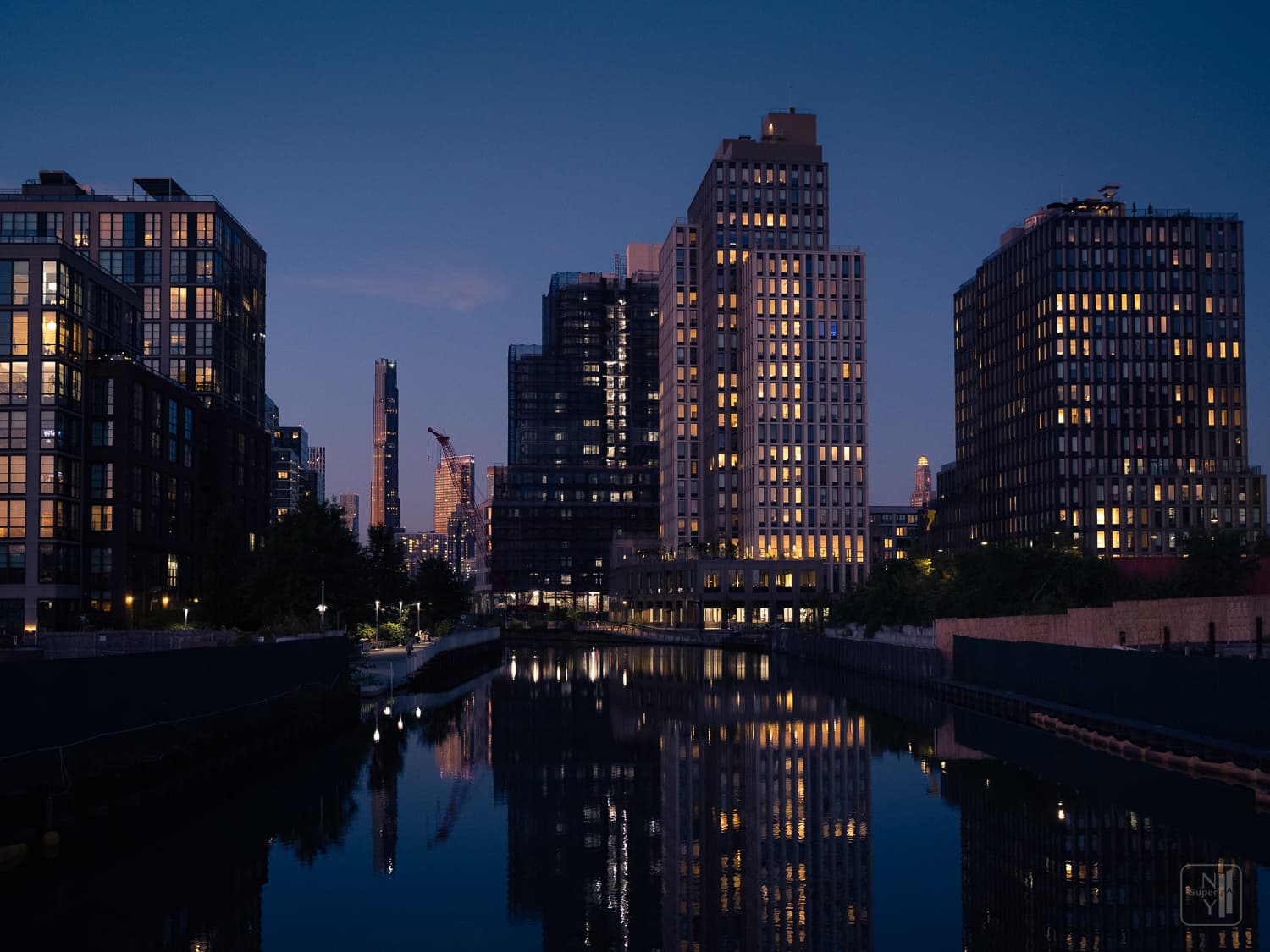
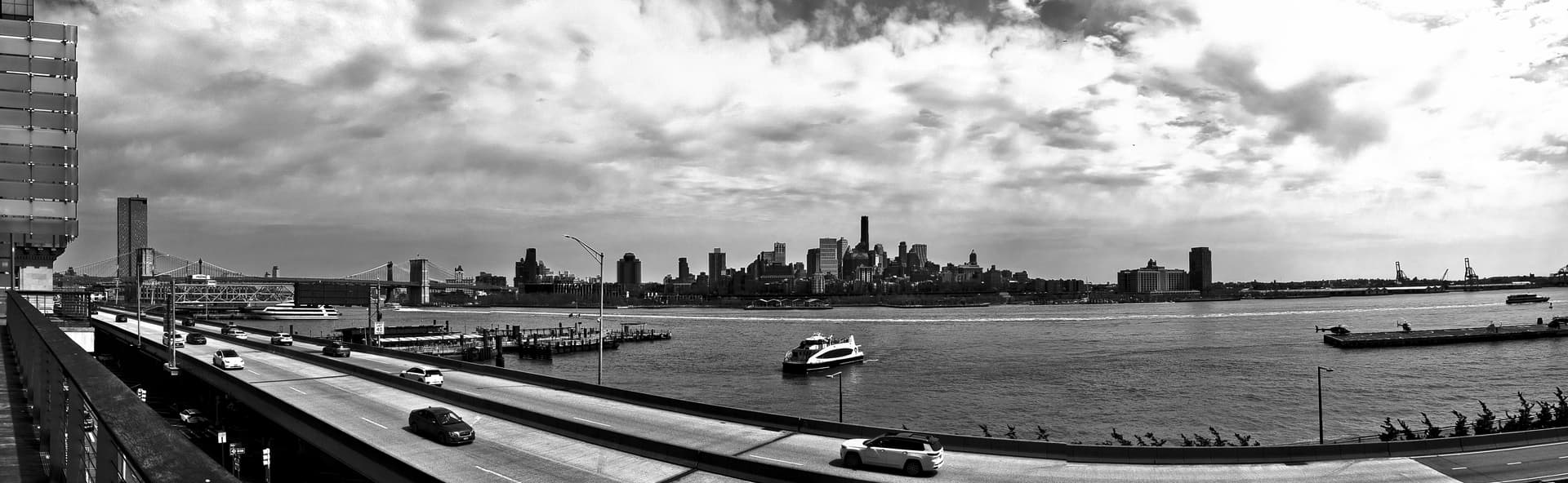
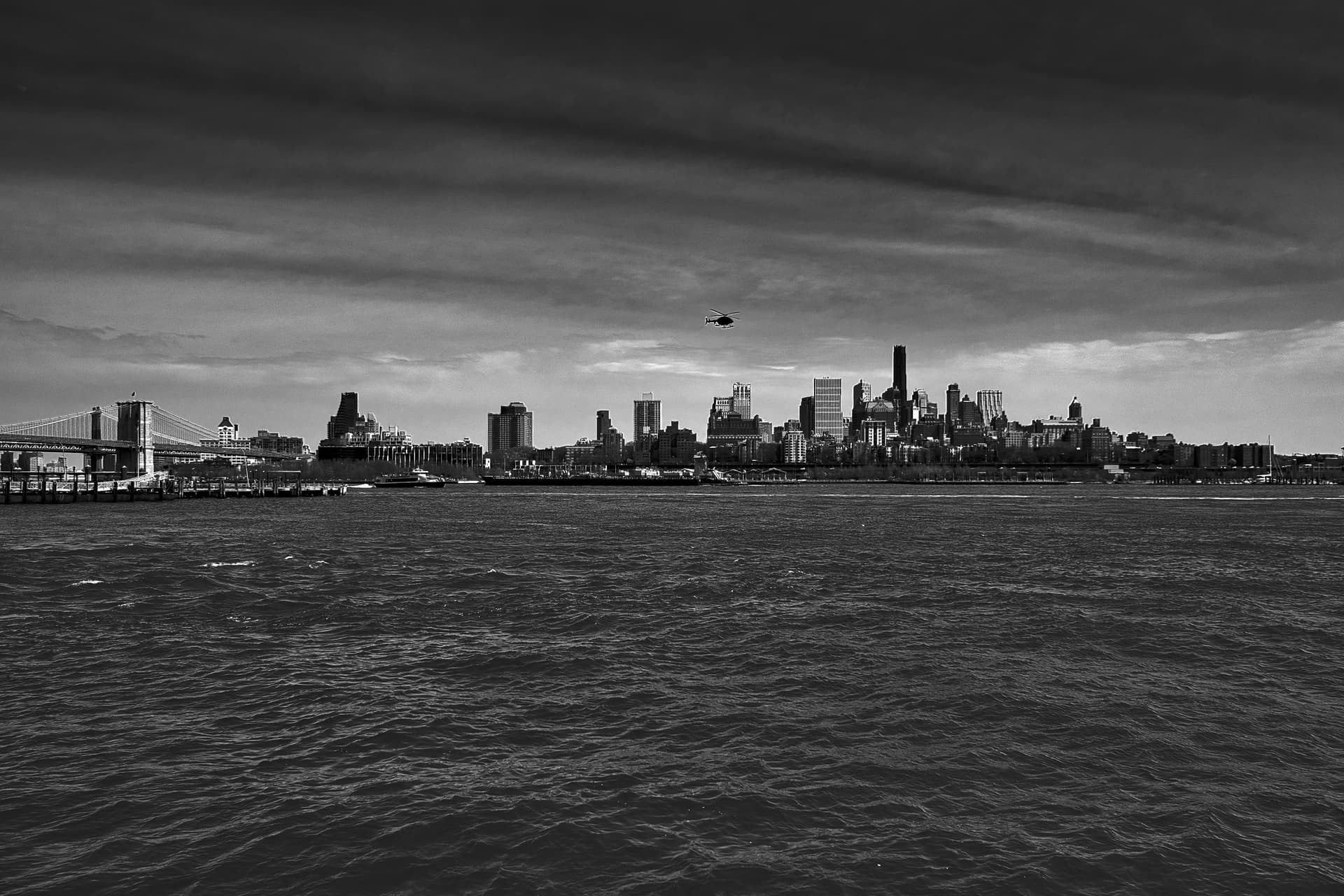
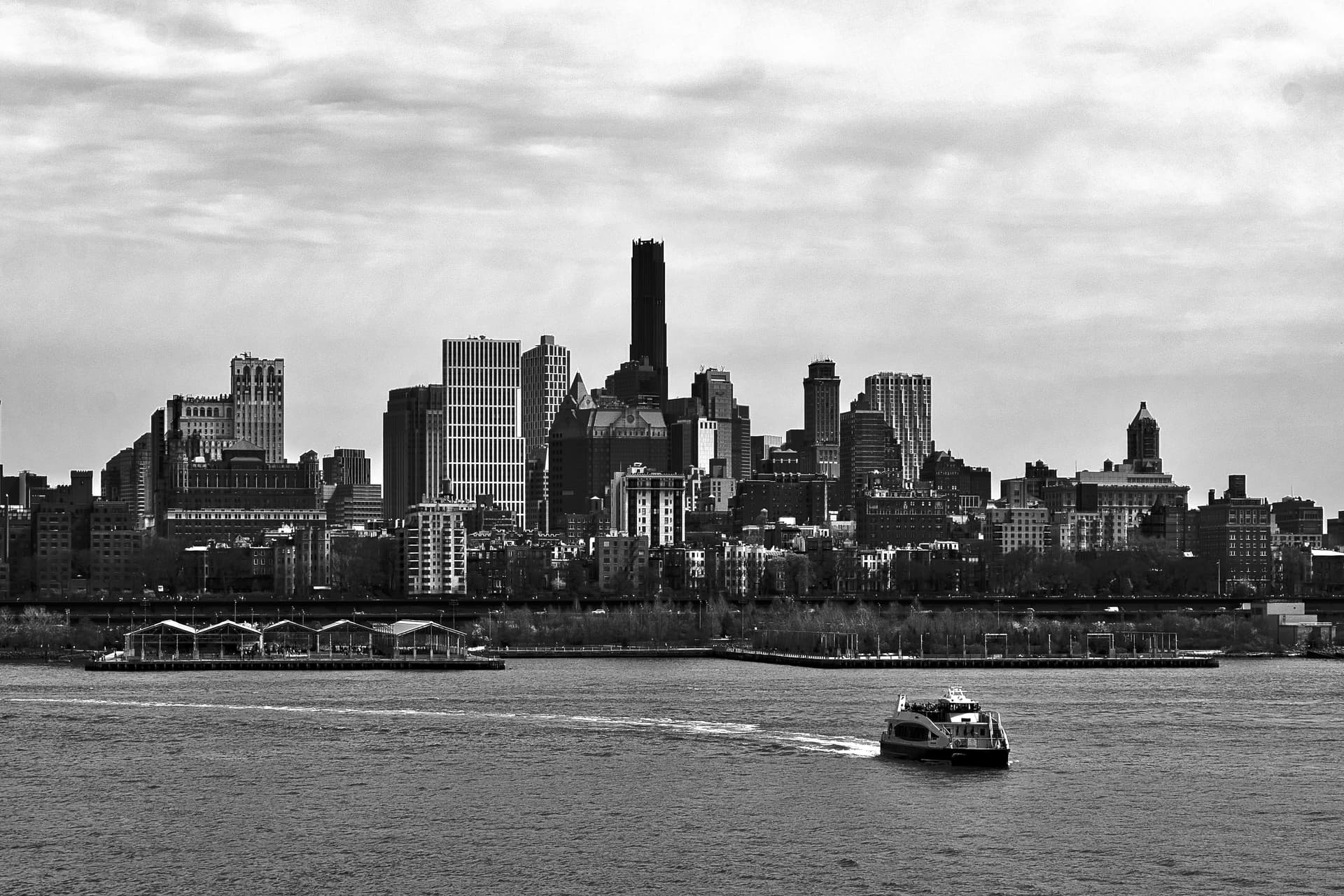
Where in the city is the architecture actually better?
Sure, there are a few standout buildings, but no neighborhood has done better—maybe except the High Line. The same pattern applies here: the Brooklyn Tower, the FX office building, and a handful of others shine, but they’re surrounded by mediocrity. Look anywhere else—LIC, Greenpoint, Williamsburg, the LES—and it’s the same story, if not worse.
And this idea that the “potential” was better than the final result? Welcome to New York. That’s basically the city’s default.
And seriously, blaming millennials for this? Completely absurd.
The word “millenial” is only used in the subhed, so it’s not even the writer’s word. It was probably introduced by a copy editor. The word does not appear within the body of the article.
Here are some interesting snippets:
Each time I return, on foot and unhurried, I find the forest thicker, taller, and more indifferent to the chaotic undergrowth of life down at street level. Two decades ago, Downtown Brooklyn was well connected but underpopulated, a combination that drew armies of fresh college graduates, quintupling the population. It’s hard to believe how thoroughly and quickly the skyline has been remade in that time—and how shoddily. Then, it seemed that this wedge of land could become a showcase of the era’s best high-rise architecture, just as lower Manhattan was in the early 20th century and midtown was 50 years later. Skyscrapers could have made a historic but dilapidated neighborhood more varied and richly layered. Instead, almost all the developers who built it out opted for a style you might call Consensus Clunkism.
When the Bloomberg Administration announced a plan to rezone Downtown Brooklyn in late 2003, it floated spangled visions of an outer-borough skyline to rival Midtown’s, a new business hub with 5 million square feet of class-A office space in a cluster of new towers and a rejuvenated Flatbush Avenue transformed into “a majestic gateway to Brooklyn.” Some of that came to pass, though not the way the administration expected. The business district never really materialized: One of only a couple of ground-up class-A office towers that was built, a 400,000-square-foot tower at 141 Willoughby Street, went into foreclosure over the summer and will soon be converted to apartments.
Companies weren’t interested, but renters were. The area has birthed 22,000 new apartments in the past 20 years, making it an inspiration for a strained housing supply. Architecturally, though, it’s one of the city’s great missed opportunities. Vast expanses of aluminum panels and budget glass, slabs that look like they were drawn with a hacksaw, façades checkered with air conditioners, stretches of dead street frontage—the whole neighborhood looks like a first draft. Now that the area is no longer one enormous construction zone (though new buildings continue to rise), we can see that it’s become the Olive Garden of New York real estate, offering a mediocre product and plenty of it. If only the prices were commensurately modest. Instead, the extended frenzy of construction has generated an illogical new rule of real estate: As supply increases, so does cost.
I actually don’t know any city where every building is a masterpiece: yes, Downtown Brooklyn can do better, but it still offers some remarkable buildings…