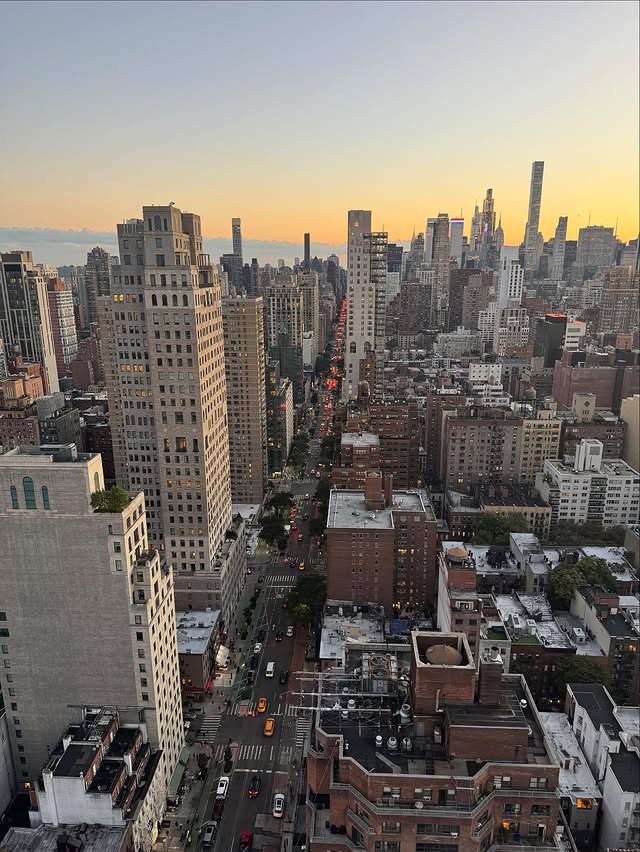
500 ft in Manhattan isn’t really noticeable.
6 Likes

This tower is top notch.
Yet I hate the fact that the same RAMSA has designed, for the same developer, of a similar height and quite similar looks, just a few blocks away, which was recently completed.
Besides wishing they had a bigger height mismatch, have something unique to better differentiate them (while obviously they’re already different).


4 Likes

3 Likes


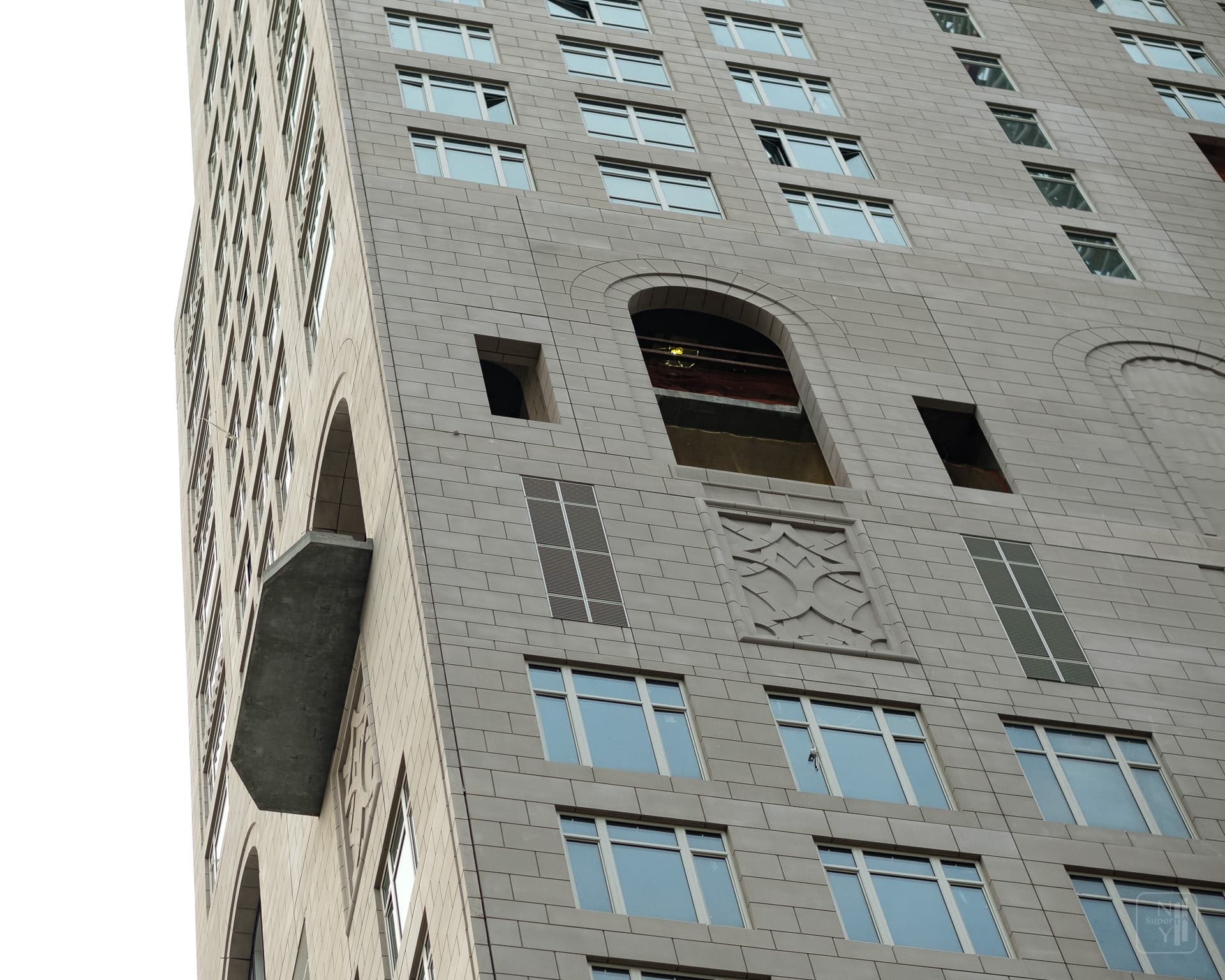


18 Likes
This demonstrates how even the less graceful eastern exposure still improves the skyline.

This will always look backwards to me. I get it, it’s terraces are oriented for views of the park, but I will always see that core wall facing the avenue, instead of the setbacks.


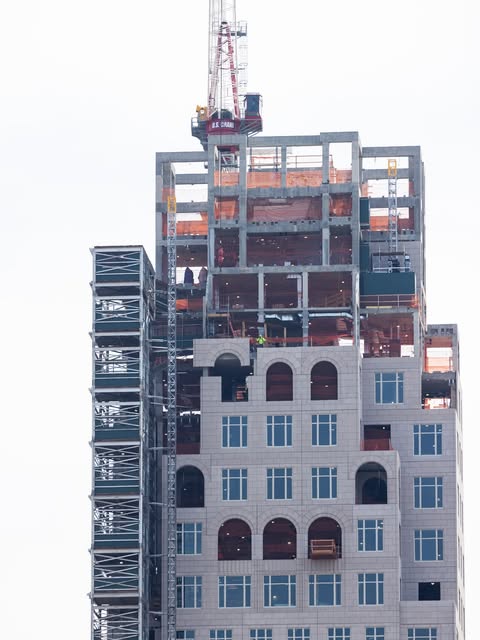
30 Park Place’s stubby twin
3 Likes
This one may be “stubby” - but the Architectural Design is absolutely, FACTUALLY, irrevocably beautiful.
I am here writing my own personal manifesto of Architectural excellence ; along with my AI assistant Grok 4, and together we have gleaned the internet for ideas and inspiration to compose a rant against UGLINESS.
We as a nation (and Western Civilization in general) must rise up and resist ugliness in all form: cultural, physical, artistic and Architectural as well.
Not the ugliness that is natural decay of things in time, but a cultivated, celebrated, institutionalized ugliness, an ugliness that mocks beauty, despises form, and calls disorder a virtue. This is not US. This is not the West - we can and must do better.
What now passes for art, architecture, fashion, and even the human form bears no resemblance to the civilizational soul that once built cathedrals, carved gods from stone, raised cities in harmony with the heavens, adorned the body with dignity, and ennobled the flesh through restraint and clarity of form. A people that once measured the divine in line, curve, and proportion now erects glass boxes devoid of spirit, hangs paint like waste upon gallery walls, parades sickness as style, mutilates the body in the name of identity, and worships the algorithm in place of the artisan.
Beauty is not subjective. It is not a matter of preference, whim, or cultural convention. It is the visible order of things rightly formed, the sensuous revelation of a deeper truth. When a thing is beautiful, it has achieved its telos. It has reached a harmony between what it is and what it was meant to be. Beauty is not kin to the deformed, the broken, the diseased, or the grotesque. It speaks of life rightly lived. It testifies to structure, limit, and inner nobility. A civilization that still believes in beauty is one that still believes in form, in hierarchy, and in the possibility of meaning.
To deny beauty is to deny distinction. It is to affirm nothing, to praise nothing, to defend nothing. The doctrine that “beauty is in the eye of the beholder” is not merely false; it is evil. It is the aesthetic extension of the egalitarian lie. It is the visual analogue of moral relativism and universalist liberalism. It is a revolt against nature and against the divine. For beauty is always ordered. It arises from proportion, from rhythm, from the correspondence between inward essence and outward expression. In the highest sense, beauty is clarity: a seeing that reveals, a vision that lifts man out of the transient and into the eternal.
This principle was known to the ancients. It structured the canons of Greek sculpture and the temples of Rome. It governed the design of cathedrals, the metrics of poetry, and the faces carved into the stonework of old Europe. Wherever our people built, the instinct was to raise, to refine, to perfect. They did not imitate the chaos of the world. They imposed form upon it. They did not celebrate the raw or the primitive. They ennobled it. Whether in marble or melody, they pursued a vision of harmony that reflected the inner law of their own being.
Beauty, then, is not accidental to the Western spirit. It is its expression. It is the visible face of our soul, the outward signature of an inward lineage. The highest types among us created beauty because they could perceive it, because their instincts were ordered toward the ideal. They saw the body not as a mere vehicle of pleasure or utility, but as a vessel of meaning. They saw the face not as a blank canvas, but as a mirror of character.
END OF RANT - thanks for reading. 
1 Like
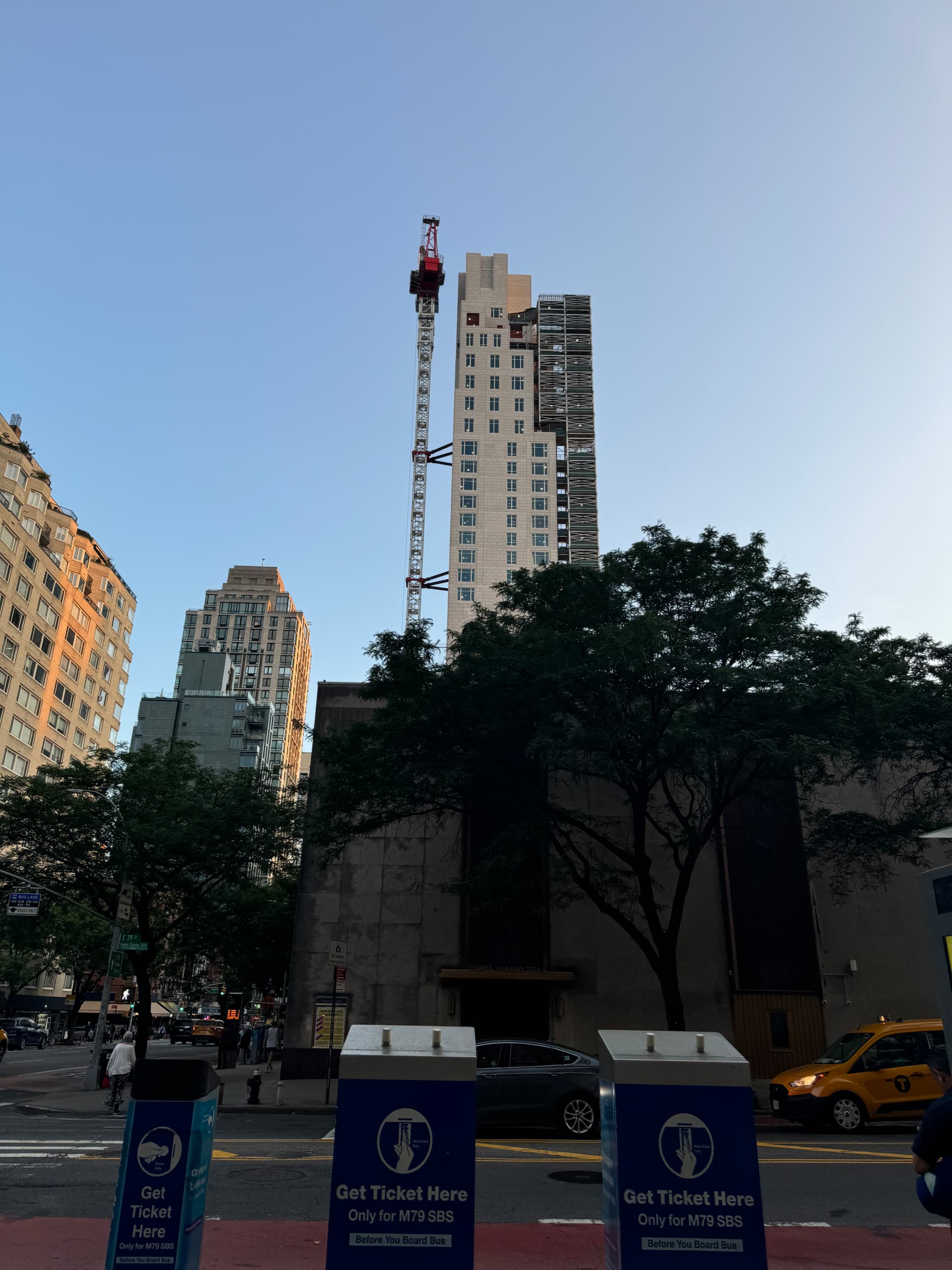
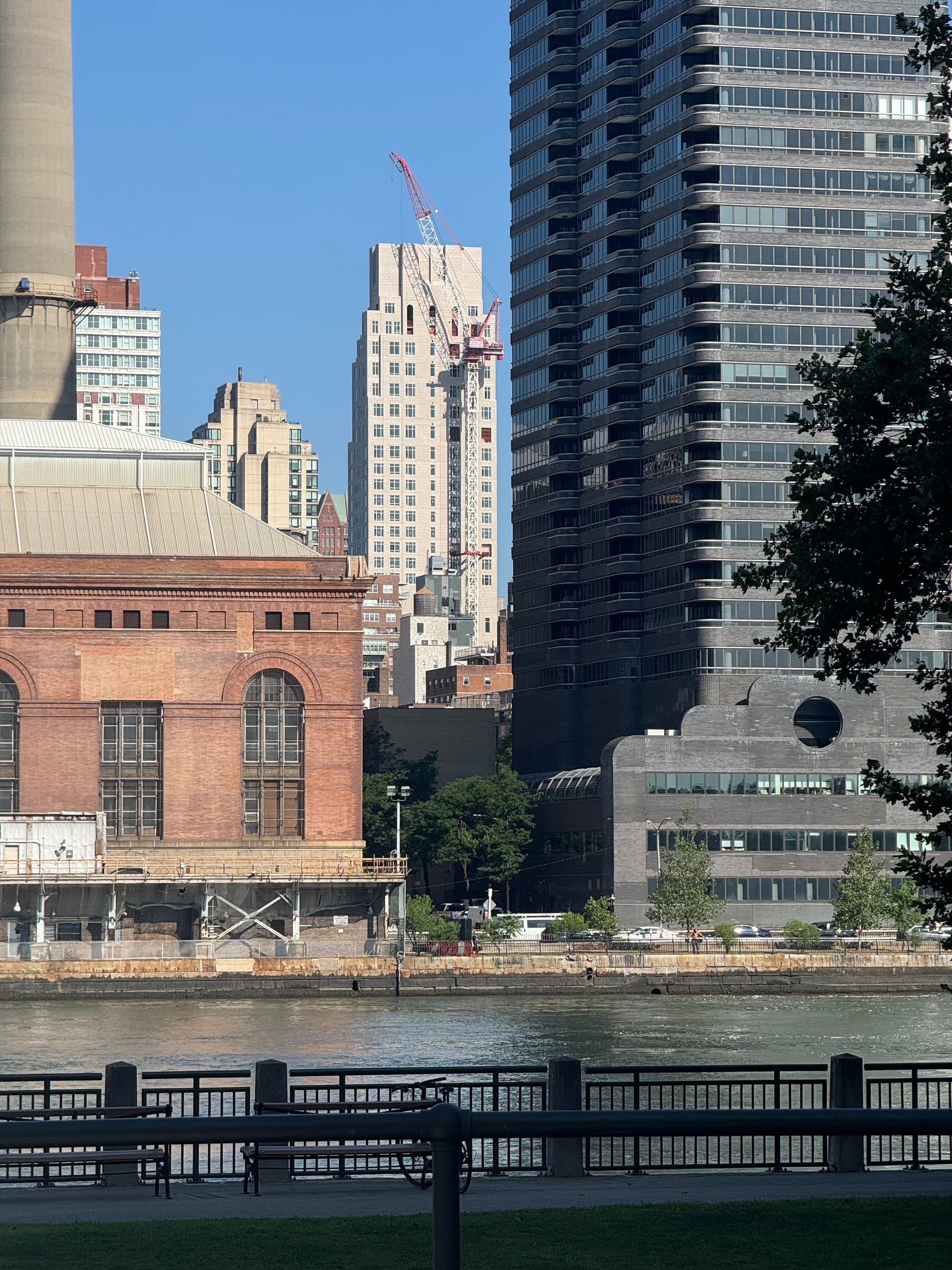
Reminiscent of NYP-Weill Cornell. Some spandrel panels along the facade would have really helped this design.